The Case for The Documents in the Case
Dear listeners,
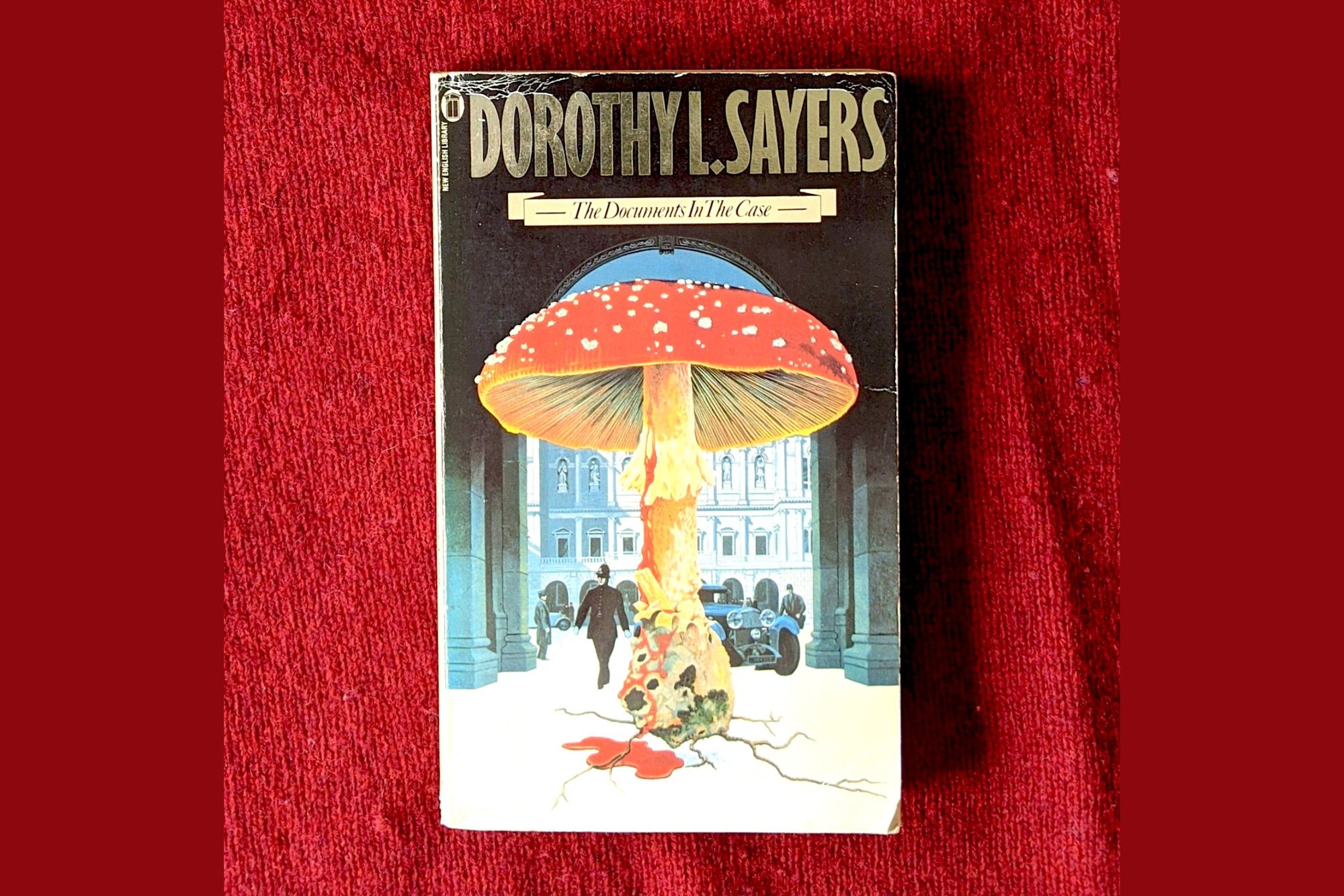
I have read The Documents in the Case four times now, including my most recent revisit for today's new Green Penguin Book Club episode. Every time, I become more convinced of its brilliance and its utter oddness.
If you approach this book as a Dorothy L. Sayers fan, it's a complete outlier. It's her only full-length novel not to feature Peter Wimsey, Bunter, or Harriet Vane (although we do get a small cameo from her recurring Home Office man, Sir James Lubbock). It's her only mystery written with a co-author, in this case Dr Robert Eustace — about whom much has already been said on Shedunnit, of course. Even with due credit given to the wonderful prologue of Busman's Honeymoon, it's her only fully epistolary novel. In order to keep their established fanbase on board, authors usually change one thing at a time — not everything about how they work at once. It was a bold move for a writer who had only just quit her day job.

Even for the general mystery reader who stumbles across this book without an intimate knowledge of the Sayers canon, it will stand out in its peculiarity. The suburban villa where most of the characters authoring the "documents" in this case reside is a familiar setting, but a good deal of what they write about is not. A lot of space is given in this book to philosophical questions about relativity, literature and whether science can co-exist with religion. The crime itself is an esoteric one, relying on a degree of specialised knowledge in both the murderer and those trying to apprehend them. It doesn't naturally add up to "addictive thriller".
And yet, and yet. Four times I have read this book as if it was the most compulsive page-turner. I find new things to enjoy and appreciate every time. On one read, I was full immersed in the technicalities of the crime, researching scientific instruments and falling down internet rabbit holes about mushrooms. Another time through, I was very preoccupied by the connections between this novel and other golden age-era crime fiction that draws inspiration from the Edith Thompson-Frederic Bywaters case of 1922 — my guest today, Victoria Stewart, had some fascinating details to add on this aspect. This most recent read saw me analysing the characters more deeply and, as you'll hear, becoming quite preoccupied with the fate of one in particular. Justice for Agatha Milsom, spinster, lady's companion and crafting obsessive!
Since making the Death on Paper episode last year all about epistolary crime fiction I have developed a strong partiality for this way of telling a story. I like the way that it builds suspense from the reader's confusion and encourages us to pay close attention to the way the mystery unfolds as well as what is happening. Given that I've now made 180 episodes of a podcast about golden age detective fiction, my interest in meta-narrative perhaps isn't that surprising. I would recommend trying this, or another novel, told through letters and documents, though, especially if you find yourself struggling with reading. The variation in rhythm and pace can help hold your attention.
All of which to say: I hope, after reading my "case" for The Documents in the Case, you might feel inspired to read it yourself — either for the first time, or as a re-read. It's certainly not "classic" golden age detective fiction by any means, but it's a wonderful example of the experimentation and originality that flourished in crime fiction during the interwar years. In these times of AI-generated content and endless reboots, I find myself more and more craving the weird and the unexpected in the media I consume. This book delivers all that and more.
Until next time,
Caroline
P.S. After several requests, I am considering adding a "classifieds" section to the newsletter where for a fee individuals and businesses with a Shedunnit-relevant notice or product can advertise. If that's something you could make use of, please register your interest here.
You can listen to every episode of Shedunnit at shedunnitshow.com or on all major podcast apps. Selected episodes are available on BBC Sounds. There are also transcripts of all episodes on the website. The podcast is now newsletter-only — we're not updating social media — so if you'd like to spread the word about the show consider forwarding this email to a mystery-loving friend with the addition of a personal recommendation. Links to Blackwell’s are affiliate links, meaning that the podcast receives a small commission when you purchase a book there (the price remains the same for you).