Newsletter

Get weekly updates from Caroline all about golden age detective fiction.

The Art of the Cluefinder

Dear listeners,

Are you the kind of reader who likes to solve the mystery as you read, racing the detective to the solution, or do you prefer to spectate and allow the author to lay out the resolution for you? Personally, I flip between these two styles: there are some books that bring out my competitive edge and others that I like to revel in without constantly thinking about clues and red herrings. I'm also an enthusiastic re-reader of mysteries, because finding out whodunnit is only one part of the pleasure this genre gives me.

When I am reading in the former mode, I do like to know that my reasoning was right when I reach the end. Of course this can be achieved by going through the book again — and I have done this with Agatha Christie's novels in particular, trying to spot the moment when she successfully pulled the wool over my eyes — but some books contain footnotes or a special appendix that makes this checking easy. The latter can take the form of a "cluefinder": an index of clues with the page reference for where each one can be found so that the reader can verify their own hypothesis and see how the writer laid their traps. I can't show you a picture of one without completely spoiling the novel to which it belongs, but I hope my description is adequate to give you a general idea if you haven't encountered one in the wild yet.

The cluefinder was never a requirement for publishing a whodunnit during the golden age of detective fiction. Books that had them were in the minority, and the ones that did tended not to be the big hits by the likes of Christie or Sayers. But I've come across enough of them over the years to be curious about why they were included and how they are constructed. And so when Martin Edwards' new novel landed on my desk earlier this summer and I saw that, despite being a work of contemporary crime fiction due to be published in autumn 2025, it had a cluefinder, I had to know more.

This is actually a picture of the US proof edition. Miss Winter in the Library with a Knife comes out in the UK on 11th September and in the US on 7th October.

Martin has been a frequent guest on Shedunnit over the years and had contributed greatly to the show with his deep historical knowledge of golden age detective fiction (you might like to check out his episodes about the Detection Club or The Poisoned Chocolates Case to name just two). It was a nice change, though, to talk about his own fiction-writing process and learn how he marries his interest in all things golden age with the demands of publishing novels for the twenty-first century reader.

The cluefinder proved to be the perfect motif for our discussion: it's a niche curiosity that is very much of the interwar period which has proved surprisingly popular with the modern reader as more people have become interested in the kind of novel that plays fair and allows them to play along. Martin's new book, Miss Winter in the Library with a Knife, is set now and is full of the trappings of modern life (including a very funny author character who, I'm told, might have been a little inspired by his creator's own experiences in the publishing industry) but it's also stuffed with tropes and ideas that seasoned readers of golden age detective fiction will recognise with glee. And don't worry, this episode doesn't spoil anything — you can listen to it and then still fully enjoy Miss Winter's twists.

📣
You can listen to this episode right now on all major audio platforms (just click the icon of your preferred app here to jump right in) as well as on the podcast's website, where there is also a full transcript to read if you prefer that. New episodes are also available on YouTube. If you're in the UK, you can listen ad free on BBC Sounds.

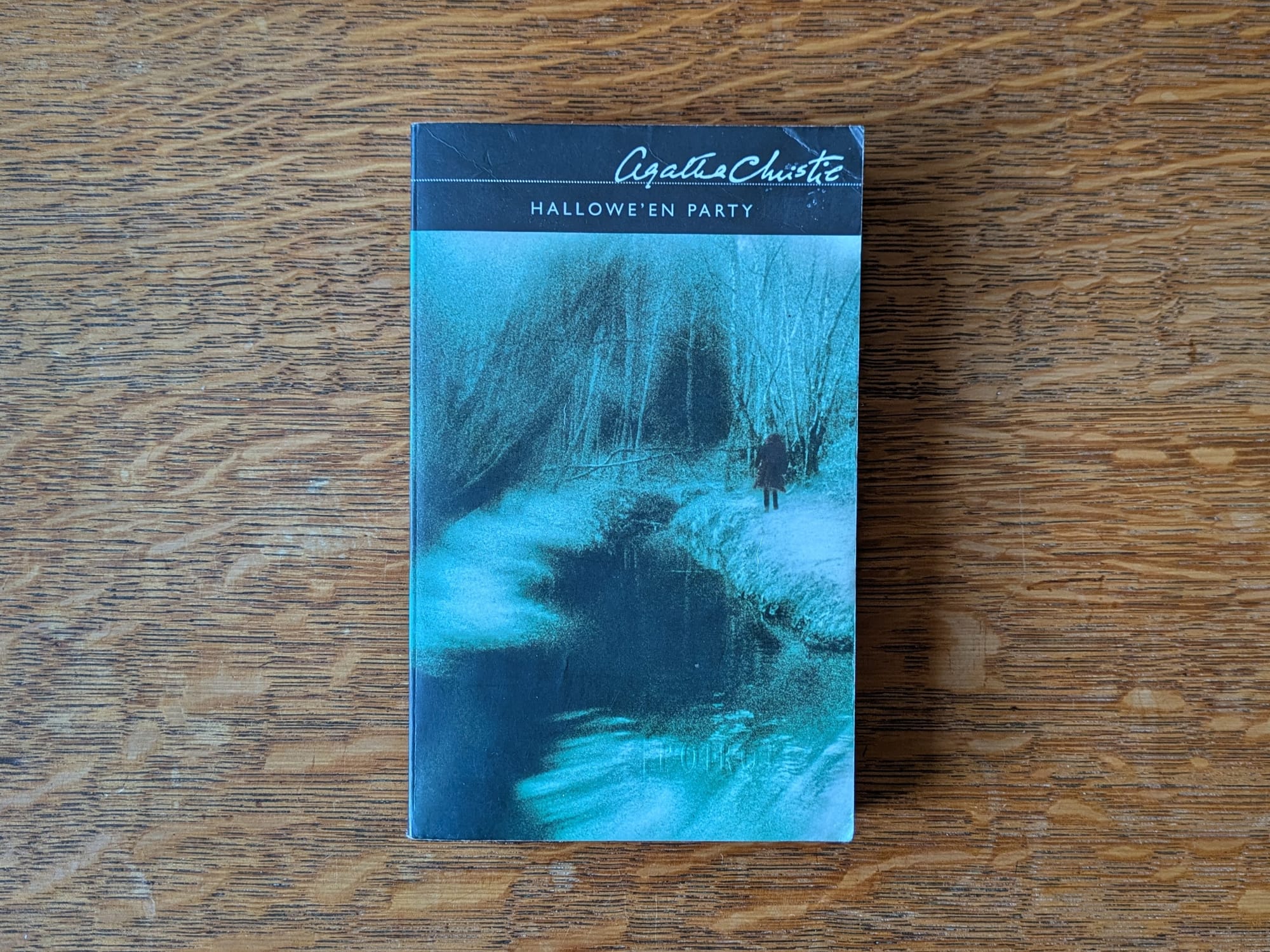
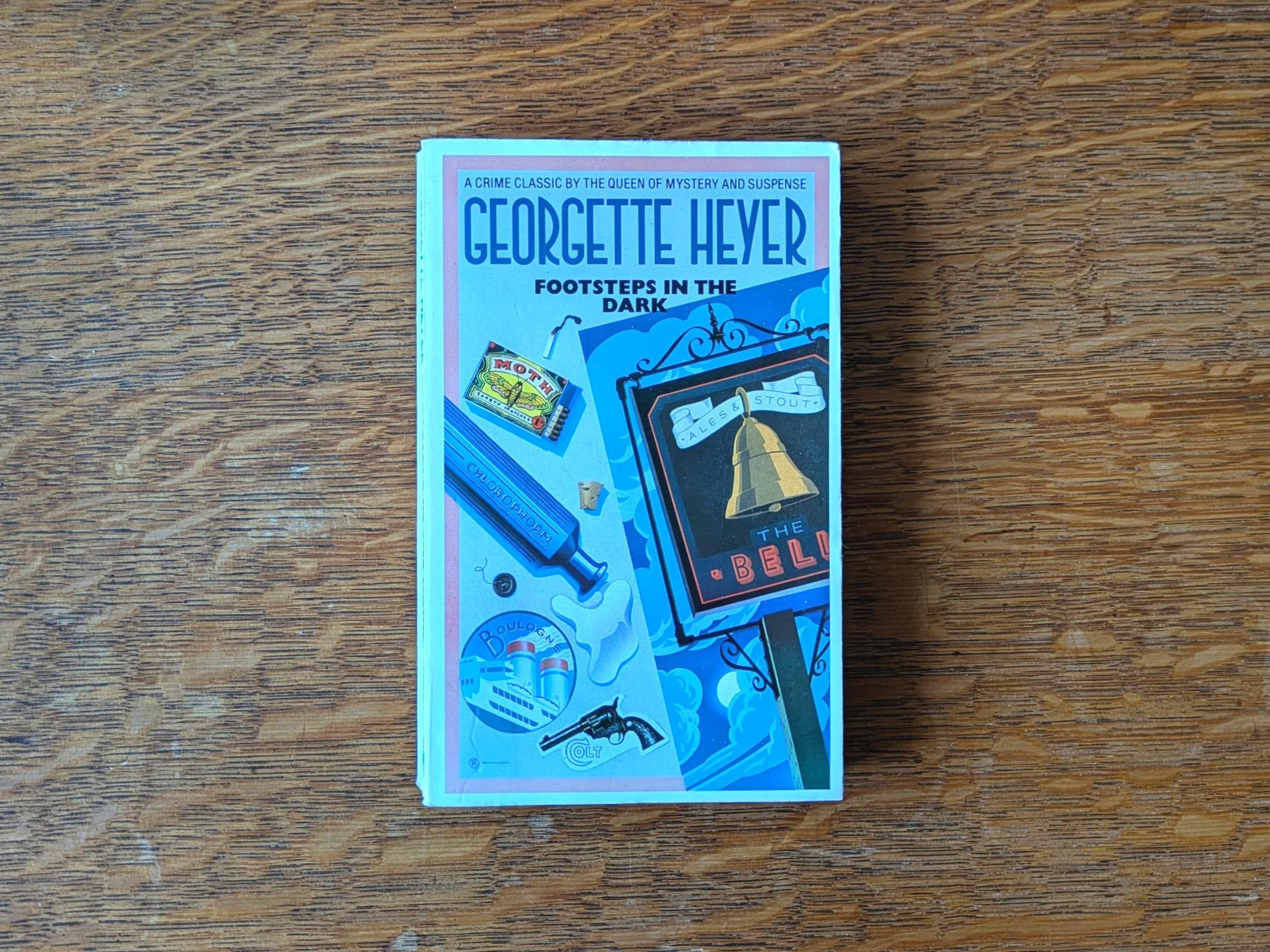
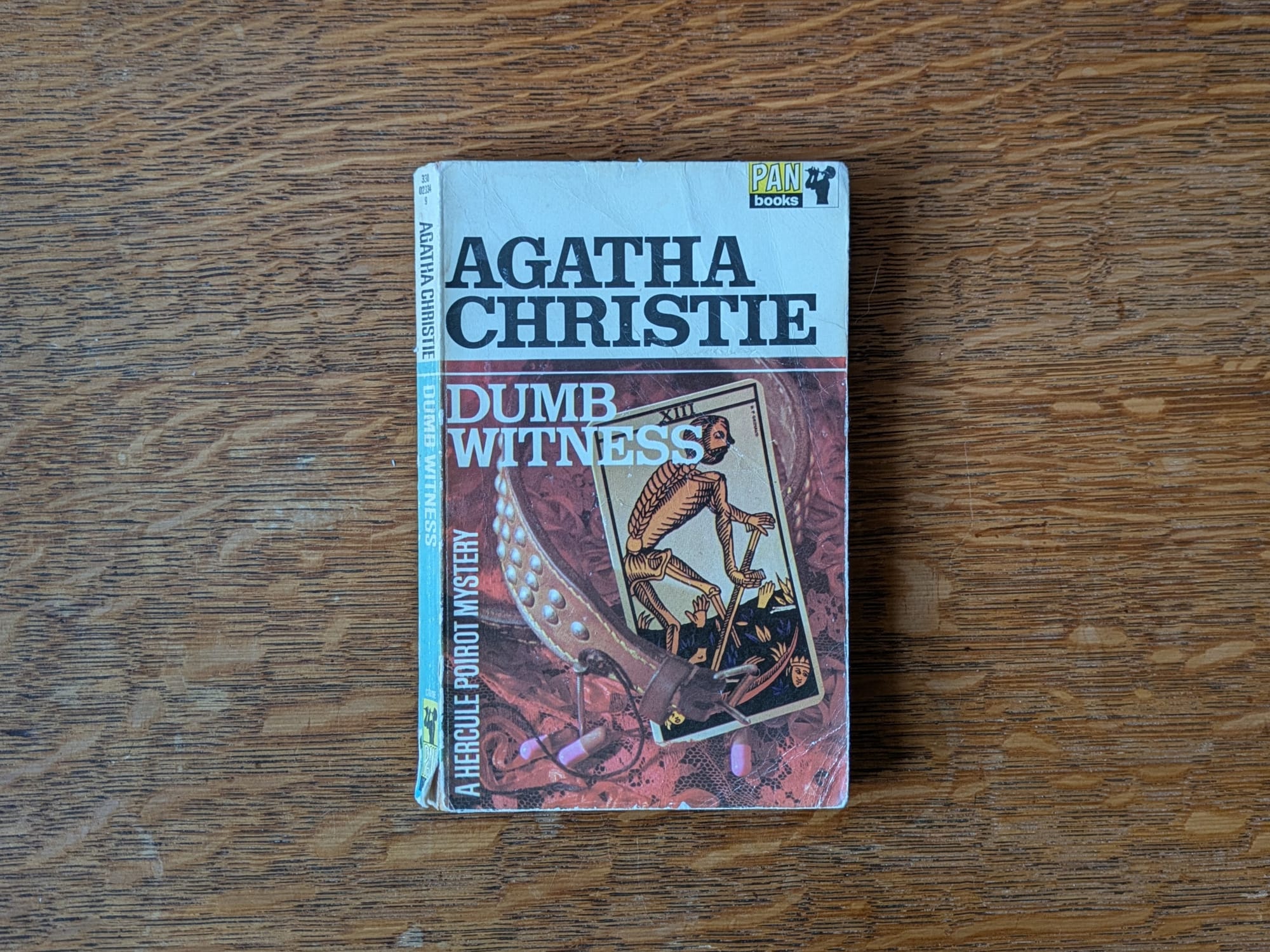
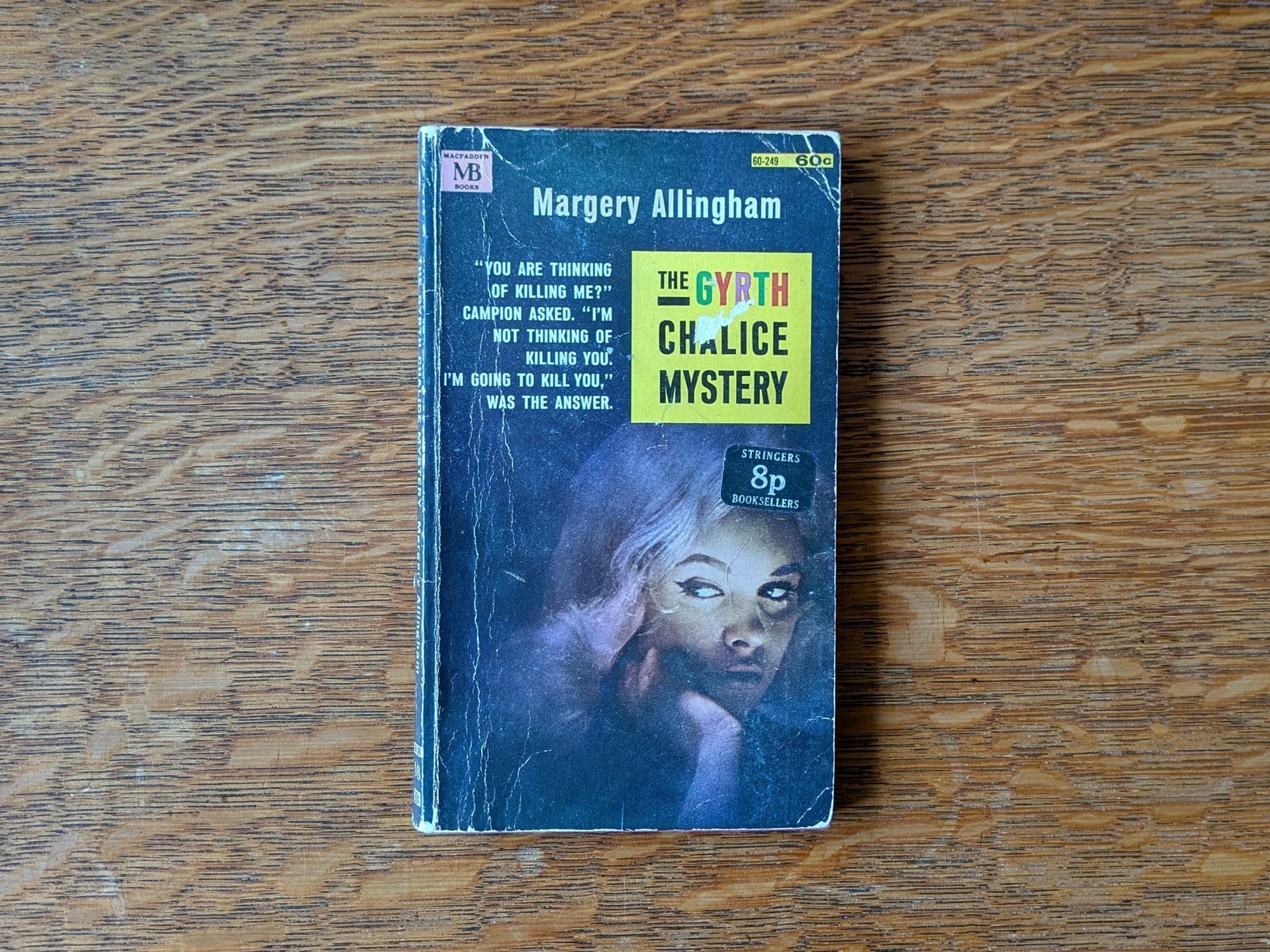
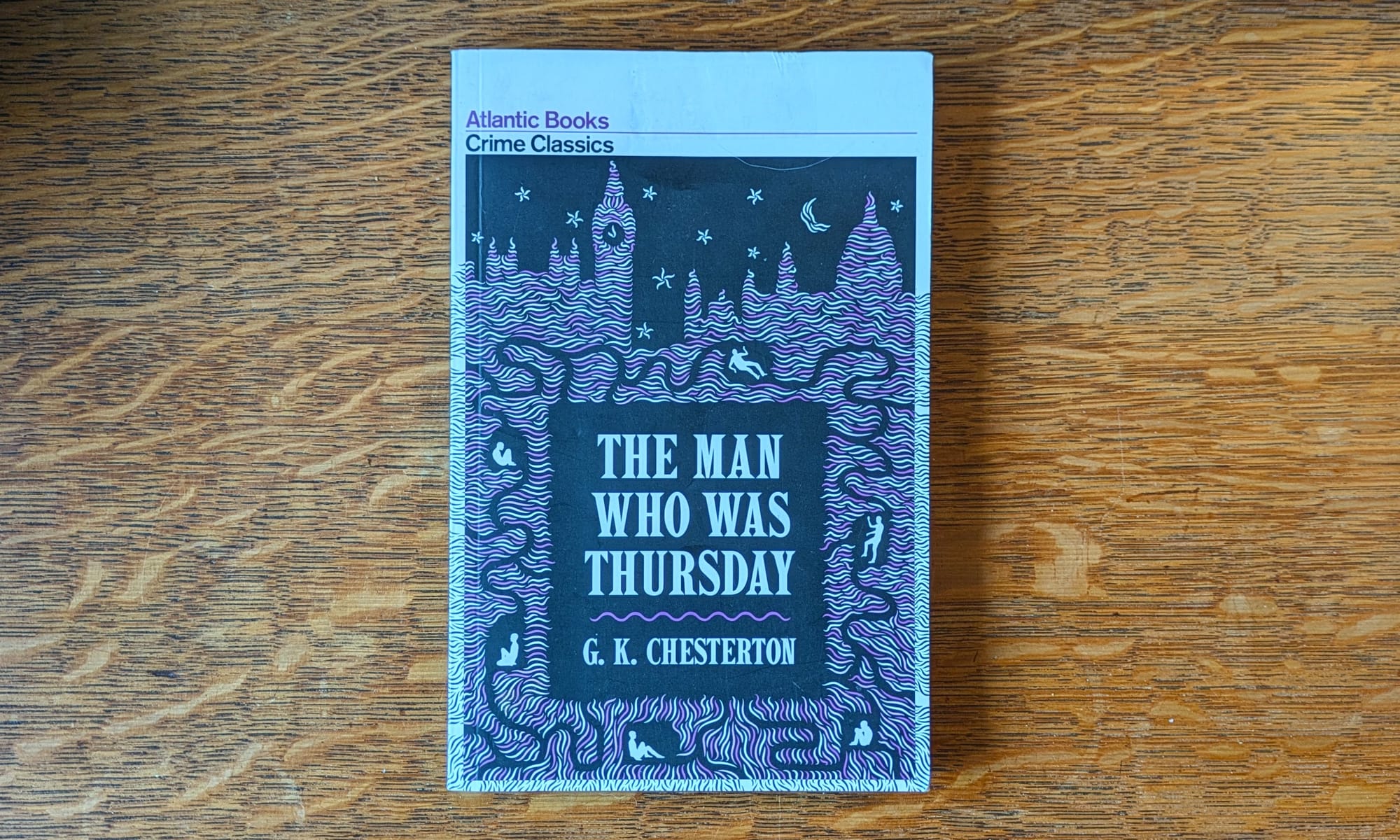
If you would like to try a golden age novel that contains a cluefinder, I would recommend keeping an eye out for one of the following titles:

Any one of those should scratch the itch! I wish you the best of luck in spotting the clues and then confirming that you were right all along.

Until next time,

Caroline

You can listen to every episode of Shedunnit at shedunnitshow.com or on all major podcast apps. Selected episodes are available on BBC Sounds. There are also transcripts of all episodes on the website. The podcast is now newsletter-only — we're not updating social media — so if you'd like to spread the word about the show consider forwarding this email to a mystery-loving friend with the addition of a personal recommendation. Links to Blackwell’s are affiliate links, meaning that the podcast receives a small commission when you purchase a book there (the price remains the same for you).
Reading Recommendations: Lighthouse, Penhallow, Mice, Fate

Dear listeners,

Summer holidays are coming to an end at Shedunnit HQ and I'm excited about the planning I've been doing for the next few months of podcasting. I think there are some good episodes coming up between now and the end of the year.

Meanwhile, it's time for another book recommendation newsletter, in which I and Shedunnit production assistant Leandra offer you a peek into our personal reading experience while we are working behind the scenes on the show. You can catch up with the last edition here and share your own reading plans in the comments here.


Caroline Has Read: The Lighthouse by P.D. James

This is now the fourth P.D. James book I've read — I think — and I'm still yet to fall under her spell. Which is a shame, because I really want to! A lot of people I trust and admire speak very highly of her work, and she was such a major figure in late twentieth century crime fiction that I've always felt that I must be missing out. I picked up this 2005 mystery in a charity shop and was charmed by its setting on a fictional island off the coast of Cornwall. After being privately owned by the same family for centuries, the island is now operated by a trust as a completely private retreat for high profile politicians and other people for whom security issues mean they can never relax.

The discovery of a body amidst this secretive atmosphere requires Adam Dalgliesh and his team to be choppered in to solve the crime. It's all very dramatic, with lots of crashing waves and high cliffs. A promising premise indeed. But the mystery didn't play fair to my mind, nor were the motives or characters well established. The way the story was told felt very "of its time" in a moderately unpleasant way, as did some of the major plot elements, which is not something I usually find frustrating in a book published only twenty years ago. Unless I find a very compelling reason to do otherwise, I'm not sure I'll be picking up another P.D. James book.

Caroline Will Read: Penhallow by Georgette Heyer

My project of reading all Heyer's detective fiction in order for an episode coming later this year continues. I've now arrived at 1942's Penhallow and I'm excited to get stuck into this one because it appears to be one of her most polarising books. Some people I've discussed this reading project with grimaced when I mentioned it, while at least one other lit up and said that this was quite probably the only one worth rereading. I'm interested to see which side of the divide I end up falling on...


Caroline says: this was the UK edition I received for Christmas and read the same day!

Leandra Has Read: A Case of Mice and Murder by Sally Smith

Back in January, Caroline mentioned in the newsletter that one of her Christmas presents was A Case of Mice and Murder by Sally Smith, and that she had finished the book by 26th December. Colour me intrigued! Unfortunately, the book wouldn't be published in the US until July 2025, so I was forced to have patience, but it was certainly worth the wait. 

I thoroughly enjoyed following our sleuth, Gabriel Ward, as he juggled his responsibilities as a barrister with the new task of investigating the murder of the Lord Chief Justice of England. Ward's demeanour and idiosyncrasies made him quite endearing, and I loved the relationship he built with the young, determined Constable Wright. Readers also get two mysteries for the price of one! Not only is Ward investigating a murder, but he finds that one of his own cases involving the authorship of a well-loved children's book, Millie The Temple Mouse, has a mystery of its own.

I didn't read this book within 24 hours like Caroline, but it wasn't for lack of trying!

Leandra Will Read: How to Seal Your Own Fate by Kristen Perrin

In this sequel to How To Solve Your Own Murder, we return to the idyllic English village of Castle Knoll. After solving the murder of her great aunt, Annie Adams finds herself with writer's block and a cryptic message from local fortune-teller Peony Lane. Within hours of her meeting with Annie, Peony is found dead. Now, Annie must uncover the truth behind a car accident back in 1967, hoping it holds the answers to the fortune teller's death in the present.

Last year, I read the first book in the Castle Knoll Files series, and I was not impressed. Dual timelines and village settings in a narrative are usually good signs that I will enjoy a story, but I found the characters to be a bit flat and the mystery more simplistic than I would have liked. Some might now be wondering why I plan to pick up How To Seal Your Own Fate. Well, I've realised that I have a tendency to abandon authors after one lacklustre reading experience, and I am challenging myself to give more second chances. Even though I didn't enjoy How To Solve Your Own Murder as much as I predicted, I also saw potential for the series to get stronger as the author becomes more accustomed to her own characters and the art of writing mysteries. 

For fans of How To Solve Your Own Murder, I leave you with the following alternative recommendation: One Puzzling Afternoon by Emily Critchley. As with the former, this mystery has a dual timeline, but our amateur sleuth is eighty-four-year-old Edie who seeks to uncover what happened to her best friend back in 1951.


That's what we've got coming up reading-wise. What are you planning to read this month? Let us know by replying directly or by leaving a comment to join the conversation with other readers. If you'd like to follow our reading adventures in between these posts, I (try to) publish monthly reading updates on my blog/newsletter and Leandra documents what she's reading on her YouTube channel.

Until next time,

Caroline

Links to Blackwells are affiliate links; if you make a purchase at this retailer the price remains the same for you but the podcast receives a small commission for referring you.

Rediscovering Miss Marple

Reading Agatha Christie like it's 1930.

Dear listeners,

Today, we're going deep on a single, very important book. This book:

A recent hardback edition of The Murder at the Vicarage. Photo: Leandra Griffith

The Murder at the Vicarage, Miss Marple's first novel-length case, from 1930. The occasion? Simply that I realised that it had been a long time, too long, since I had encountered Agatha Christie's Miss Marple, as opposed to the many, many adaptations and reincarnations of her that have appeared since. We read this book in the Shedunnit Book Club back in April and it quite took me by surprise. I had forgotten how much of the original character gets lost when it is reinterpreted by other people and in other formats. It was time, I decided, to rediscover Miss Marple. I wanted, as far as possible, to read this book in the same way that someone arriving to it fresh in 1930 might have done.

And so, that's what you can hear in today's new episode — my reflections on properly rereading this book for the first time in a long time, and all that it has to tell us about what this character was to go on to become.

📣
You can listen to this episode right now on all major audio platforms (just click the icon of your preferred app here to jump right in) as well as on the podcast's website, where there is also a full transcript to read if you prefer that. New episodes are also available on YouTube. If you're in the UK, you can listen ad free on BBC Sounds.

Of course, The Murder at the Vicarage was not the first time Christie committed Jane Marple, spinster detective, to the page. Her very first appearance was in a short story titled "The Tuesday Night Club", published in The Royal Magazine in December 1927. This was part of a set of six stories serialised in that publication, running monthly from December 1927 until May 1928. Six more monthly Miss Marple stories followed in the Story-Teller Magazine, the following year, beginning with "The Blue Geranium" in the December 1929 issue. Another, a one-off, came out in Nash's Pall Mall Magazine in November 1931. Those thirteen short stories were then collected in an anthology titled either The Tuesday Night Club or The Thirteen Problems, depending on where and when you were buying it, which came out in the UK in 1932 and in the US in 1933.

But unless you happened to catch one or all of these magazines at the time, for a reader in 1930 The Murder at the Vicarage could well have been your first meeting with Miss Marple. What might that have been like?

The initial reviews of The Murder at the Vicarage offer some clues. Harold Nicolson in the Daily Express said: "I have read better works by Agatha Christie, but that does not mean that this last book is not more cheerful, more amusing, and more seductive than the generality of detective novels." The New York Times was distinctly irritated by Miss Marple and "the local sisterhood of spinsters that is introduced with much gossip and click-clack". The reviewer continued: "A bit of this goes a long way and the average reader is apt to grow weary of it all, particularly of the amiable Miss Marple, who is sleuth-in-chief of the affair." I find the take in the Times Literary Supplement most telling. That reviewer noted that "It is Miss Marple who does detect the murderer in the end, but one suspects she would have done it sooner in reality."

This speaks to something that truly surprised me upon this return to The Murder at the Vicarage. Miss Marple simply isn't in it very much! The novel is narrated in the first person by the vicar of St Mary Mead, Leonard Clement. Because the murder is discovered to have taken place in his house, and because of his institutional status in the village, he is given a lot of access to the investigation — he is present when suspects are interviewed and the scene is examined, and so on. Miss Marple, meanwhile, pops in for tea occasionally or leans over her garden wall to make her contribution. It is not until the climactic sequence that we see her take anything approaching action, and even then this is all filtered through Clement's point of view. As that TLS reviewer hinted, it does at times feel a little like we've travelled a needlessly long way to arrive at the obvious conclusion, which is that Miss Marple was right all along.

Agatha Christie had her doubts, too. Writing decades later in her autobiography, she said: "Reading Murder at the Vicarage now, I am not so pleased with it as I was at the time. It has, I think, far too many characters, and too many sub-plots. But at any rate the main plot is sound." I agree with her, but I still think the novel is wonderfully good. It contains so much and yet the prose never feels heavy nor is the reader feel over-burdened with information. The 1930s was to see the publication of some of Christie's best work — Murder on the Orient Express, The A.B.C. Murders, Death on the Nile and And Then There Were None all appeared in the next nine years — and I think you can see her trying out ideas in The Murder at the Vicarage that would later come to fruition.

I hope you enjoy reconsidering this book with me. Although I was surprised by some aspects of it, I am more sure than ever that it is a brilliant piece of writing.

Until next time,

Caroline

You can listen to every episode of Shedunnit at shedunnitshow.com or on all major podcast apps. Selected episodes are available on BBC Sounds. There are also transcripts of all episodes on the website. The podcast is now newsletter-only — we're not updating social media — so if you'd like to spread the word about the show consider forwarding this email to a mystery-loving friend with the addition of a personal recommendation. Links to Blackwell’s are affiliate links, meaning that the podcast receives a small commission when you purchase a book there (the price remains the same for you).