
From The Brighton Quickie To The Decree Absolute
Dear listeners,
When reading murder mysteries, I tend to think of motive as a psychological question. What is it about the inner life of one of these characters that makes them willing to take the life of another? Revenge, greed, hate: these are internal factors that are then released into the world. Until I started researching the history of divorce for today's new episode, I hadn't considered that there could be an unrelated and exterior structure that played such a large part in the decision to kill.
With the help of my guest, legal historian Dr Jen Aston, I took a look back at the way the process for ending a marriage evolved over the nineteenth and twentieth centuries, and how the difficulty of doing so influenced the way murderer's motives appeared in fiction.
There are some books that I would recommend taking a closer look at if you're interested in this subject.
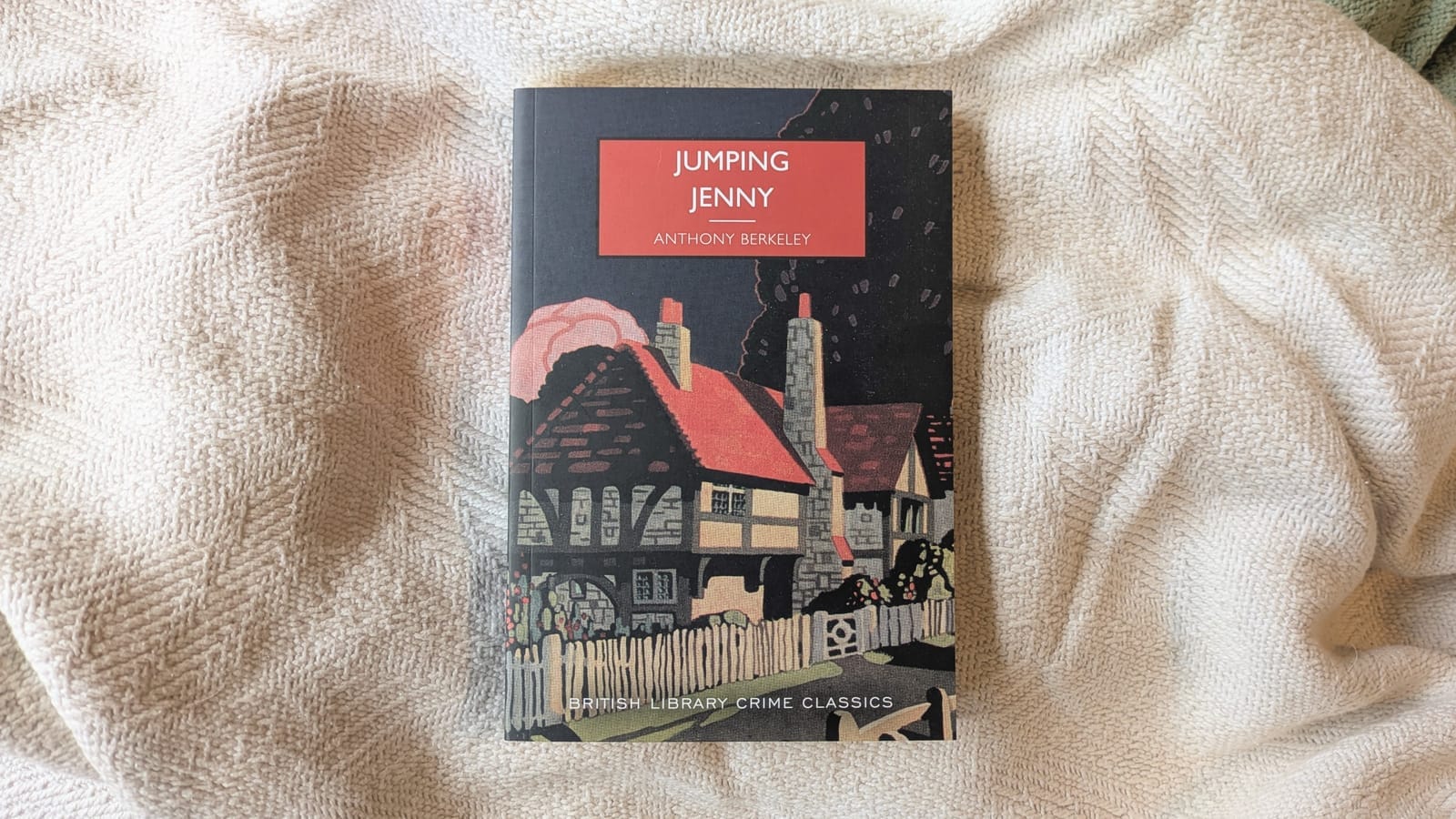
Jumping Jenny by Anthony Berkeley
Berkeley's 1933 detective novel is a thrilling take on an inverted mystery, with detective Roger Sheringham veering into morally grey territory as he tries to prevent the police from arriving at the real explanation for a woman's death. This is the most technical divorce murder mystery I've yet read, as it deals with the cooling off period between the issue of the "decree nisi" and the "decree absolute" and how someone with ill intentions could take advantage of this to ruin others' happiness. Berkeley had been divorced himself and was outspoken on the cruelties of the state of the law in the interwar years, so perhaps this deep engagement with the process is to be expected from him.
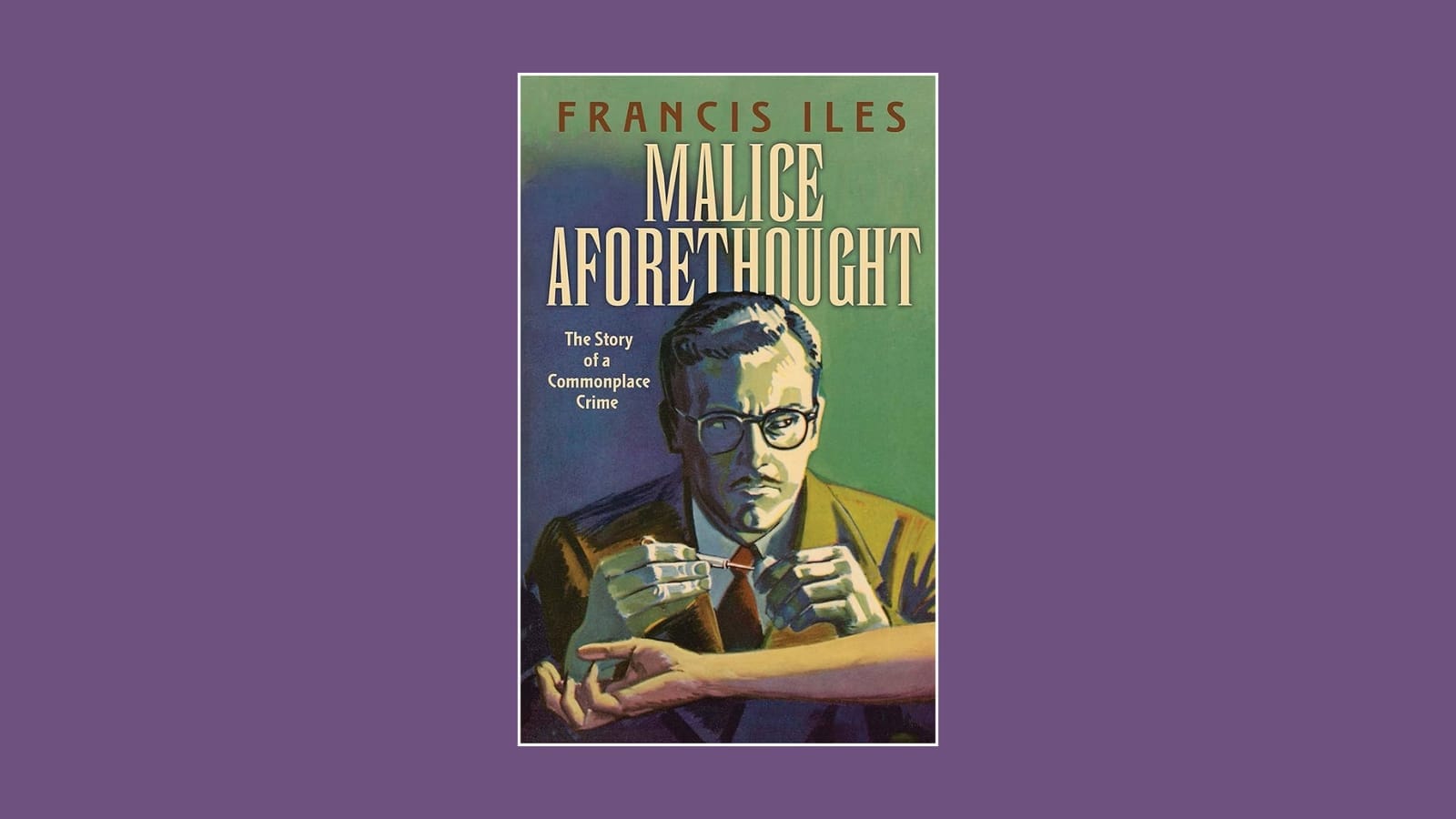
Malice Aforethought by Francis Iles
Two years before Jumping Jenny, Berkeley had published a different take on the question of "what might an evil and unscrupulous man do when divorce is not possible?". His answer was this "howdunnit", in which readers follow the male protagonist through all his attempts to try and kill the wife whose "decency" won't allow her to free him to be with another woman. This character is deeply unpleasant, but such is Berkeley's skill that he almost makes you root for the bad guy in the end.
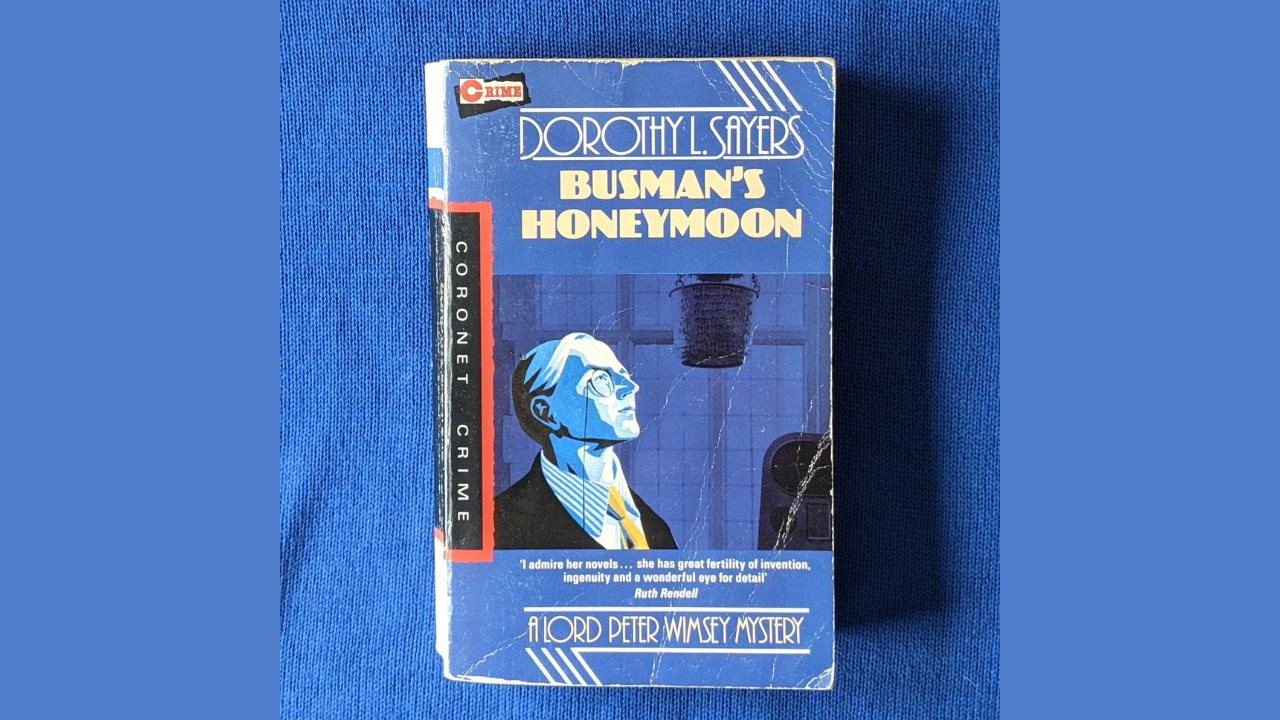
Busman's Honeymoon and other works by Dorothy L. Sayers
Sayers never wrote a novel that put divorce front and centre as Berkeley did, but it simmers away in the background of much of her fiction. In Clouds of Witness, a woman is unable to escape an awful domestic abuse situation because of the imbalance in the grounds that men and women can use to seek a divorce. The Documents in the Case, our recent Green Penguin Book Club subject, features an act of adultery that might not have ended in tragedy had the dissolution of a marriage carried less social stigma at the time. And in the epistolary prologue to Busman's Honeymoon, we get a very funny description of the "Brighton quickie" method of securing divorces. Sayers makes very clear that this dishonest, absurd tactic does not meet with her approval.
I hope you find today's new episode interesting!
Until next time,
Caroline
You can listen to every episode of Shedunnit at shedunnitshow.com or on all major podcast apps. Selected episodes are available on BBC Sounds. There are also transcripts of all episodes on the website. The podcast is now newsletter-only — we're not updating social media — so if you'd like to spread the word about the show consider forwarding this email to a mystery-loving friend with the addition of a personal recommendation.